Blog ·
Hand Washing vs. Automated Systems: Which Is Right for Your Vehicle
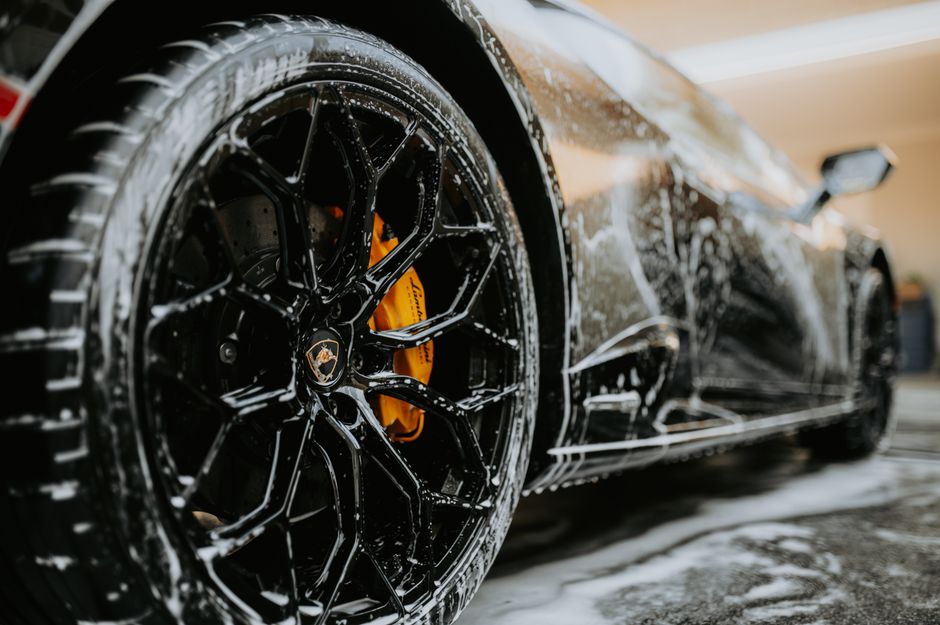
When it comes to car washing, you have options. Automated systems promise convenience and speed, while hand washing seems labor-intensive and time-consuming. Understanding the differences helps you make the best choice for your vehicle's care and your priorities.
The Case for Hand Washing
Hand washing offers unmatched protection for your vehicle's paint. Professional technicians use soft materials, proper techniques, and high-quality soaps that clean effectively without causing damage. They can inspect your paint closely, identifying areas needing special attention or revealing damage requiring professional detailing. This personalized approach prevents the swirl marks and micro-scratches that automated systems commonly cause.
Automated Washing Risks
Automated systems use brushes or cloth strips that make contact with thousands of vehicles. Despite cleaning, these materials can harbor debris and contaminants from previous cars. As they scrub your paint, particles scratch the surface, creating the visible swirl marks visible in certain lighting. Over time, this cumulative damage degrades your paint's appearance and protective qualities.
Paint Damage Examination
Professional hand washing allows technicians to assess your paint's condition and detect issues before they become serious problems. They notice oxidation, clear coat failure, or contamination that requires specialized treatment. This early detection prevents minor issues from becoming expensive repairs.
Wheel and Undercarriage Care
Wheels require special attention because brake dust is particularly corrosive. Hand washing allows use of appropriate brushes and products that clean effectively without damaging brake components or wheel finishes. Undercarriage washing removes road salt and debris that cause rust—a critical service automated systems cannot properly perform.
Water Pressure Considerations
Improper water pressure damages paint, seals, and weatherstripping. Hand washing controls pressure precisely, adjusting for different surfaces. Automated systems use standardized pressure that may not suit your specific vehicle.
Time Investment vs. Results
Hand washing requires more time than automated systems, but the superior results justify the investment. Your paint remains swirl-free and protected. Over your vehicle's lifetime, reduced paint damage through hand washing means better appearance and higher resale value.
Cost-Effectiveness Analysis
While hand washing costs more per visit, considering long-term consequences reveals true savings. Frequent automated washing eventually requires paint correction, which is expensive and time-consuming. Hand washing prevents this damage entirely.
The Professional Difference
Professional hand washing combines proper technique with quality products and attention to detail. Technicians understand various paint types, finishes, and special considerations. They protect your investment while delivering the clean your vehicle deserves.
For vehicle owners who value their cars and prioritize longevity, hand washing proves the superior choice. The investment in professional care pays dividends through maintained appearance and preserved value.